Most people know they probably need a funeral director when someone dies.
But beyond that?
The job itself is often a bit of a mystery.
People tend to picture:
And yes, those things are part of it.
But funeral directors actually do a huge amount behind the scenes – some practical, some logistical, some emotional, some surprisingly admin-heavy – to help families navigate the strange fog that appears after somebody dies.
Because when a person dies, there’s suddenly an enormous number of things to think about at exactly the moment your brain is least equipped to think about anything at all.
So let’s unpack what funeral directors actually do.
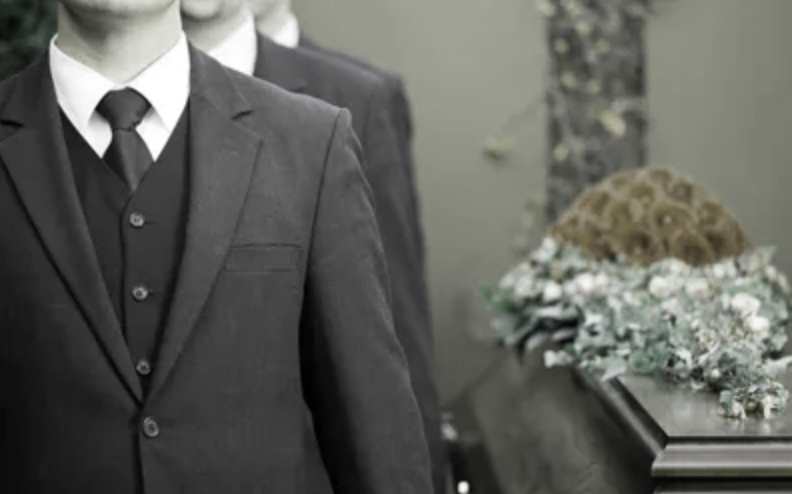
In many cases, one of the first jobs is bringing the body of the person who has died into their care.
That might be:
This transport is usually carried out by trained funeral staff using a private ambulance or funeral vehicle.
And although this bit can sound clinical written down, in reality it’s often handled with enormous gentleness and care.
Particularly when families are present.
This is one of the biggest parts of funeral directing that many people never really see.
Once the dead person is with the funeral director, they are usually cared for in a mortuary or care facility until the funeral takes place.
That care may include:
Some funeral directors also offer embalming, although it’s important to know that embalming is not legally required in the UK in most situations.
Families can usually ask questions about:
Because despite what many people assume, there are actually more options around death care than most of us realise.
Funeral directors also handle a huge amount of practical admin.
Which, honestly, can be a massive relief when your brain feels like mashed potato.
This can include:
Basically: a funeral involves lots of moving parts, and funeral directors are often the people quietly keeping all those plates spinning in the background.
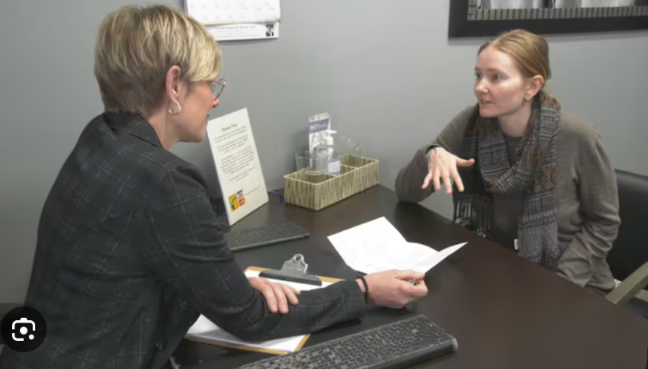
Funeral directors usually help families make decisions about:
Some families want very traditional funerals.
Some want something simpler.
Some want something completely different.
A good funeral director should help explain options rather than push people into things they don’t actually want.
And increasingly, families are asking more questions than they used to.
Questions about:
Which is part of a much wider shift towards greater death literacy and more open conversations around funerals.
Yes – although, much like celebrancy, there isn’t just one single route into funeral directing.
Some people come into the profession through family businesses.
Some train through funeral directing organisations.
Some learn on the job over many years.
And the role itself requires a surprisingly broad skill set.
Funeral directors need to be able to:
It’s practical work, people work, emotional work and organisational work all rolled into one.
This bit surprises many people.
In the UK, you are not legally required to use a funeral director.
Some families choose to organise parts of the funeral themselves, including:
Others prefer to hand most things over to professionals.
Most people land somewhere in the middle – doing some things themselves while asking for help with others.
And honestly, there’s no gold star for doing funerals the ‘hardest’ way.
The important thing is understanding your choices and doing what feels manageable and right for your person and your family.
At their best, funeral directors do far more than organise coffins and transport.
They create structure at a time when life suddenly feels completely structureless.
They guide people through practical decisions during emotional chaos.
And they often do it quietly, calmly and largely out of sight.
Like celebrants, funeral directors are part of the wider network of people helping families navigate death in a way that feels supported, informed and human.
And the more we talk openly about what funeral professionals actually do, the less frightening and mysterious funerals become.
Kate & Kate